
Simulations
Applied business simulations that put theory into practice.
HBS prepares MBA students to lead and manage in today’s competitive global marketplace through application-based, experiential learning.
Overview
Our goal at the Helvetic Business School is that our MBA students are fully prepared to lead and manage in today’s competitive global marketplace. Our curriculum is application based through experiential learning and focuses on the hard and soft skills business leaders will need in the Fourth Industrial Revolution (4IR).
All courses are taught in English by leading business visionaries in small dynamic cohorts. All professors have experience in successful business ventures, providing our students with real-world lessons learned and best practices. Our professors share their challenges and successes with the students, giving them a front-line education.
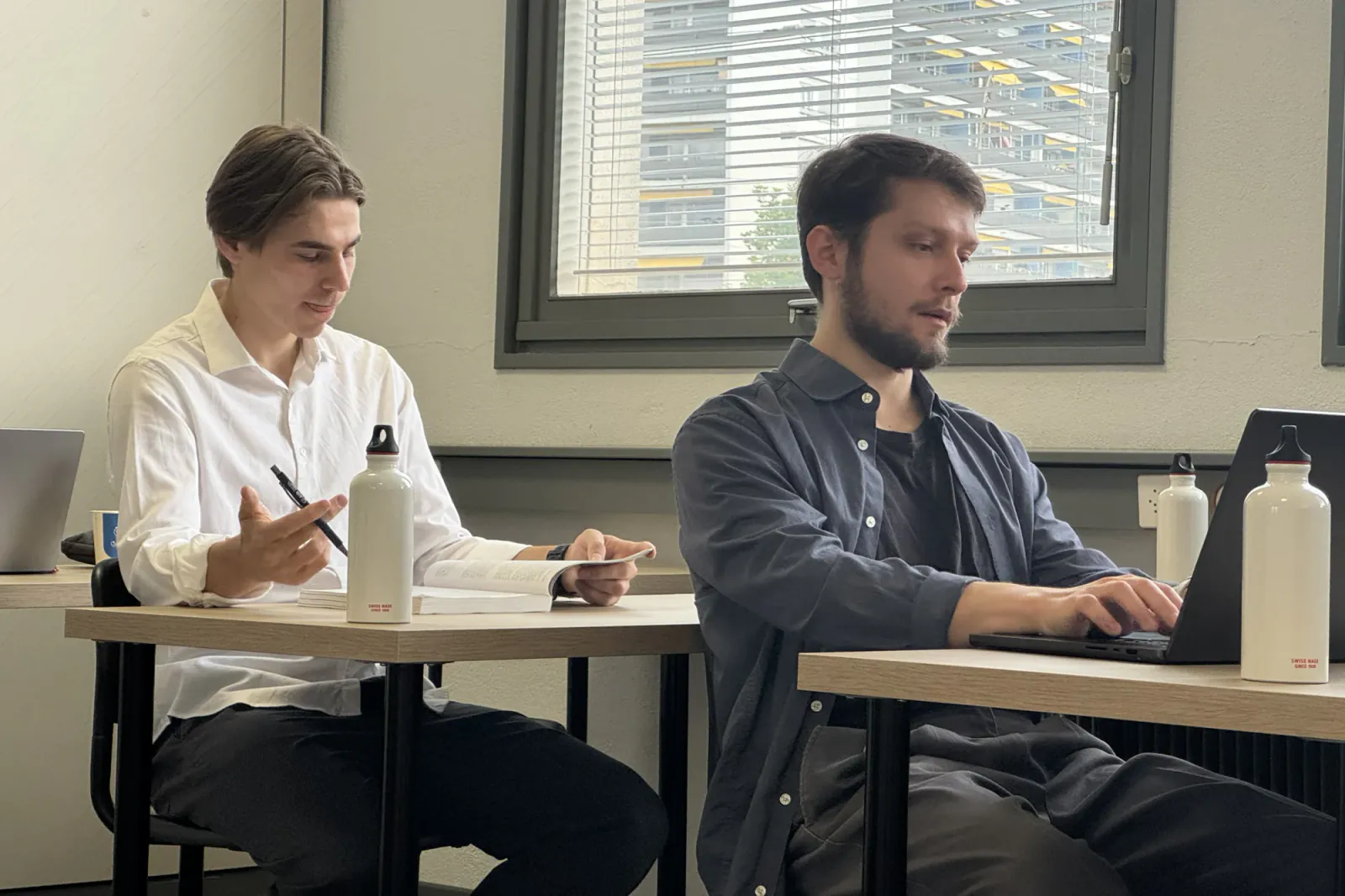
The curriculum links cutting-edge business theory to practical application as students are guided to solve real-world challenges. This environment emphasises collaboration and team building alongside healthy competition.
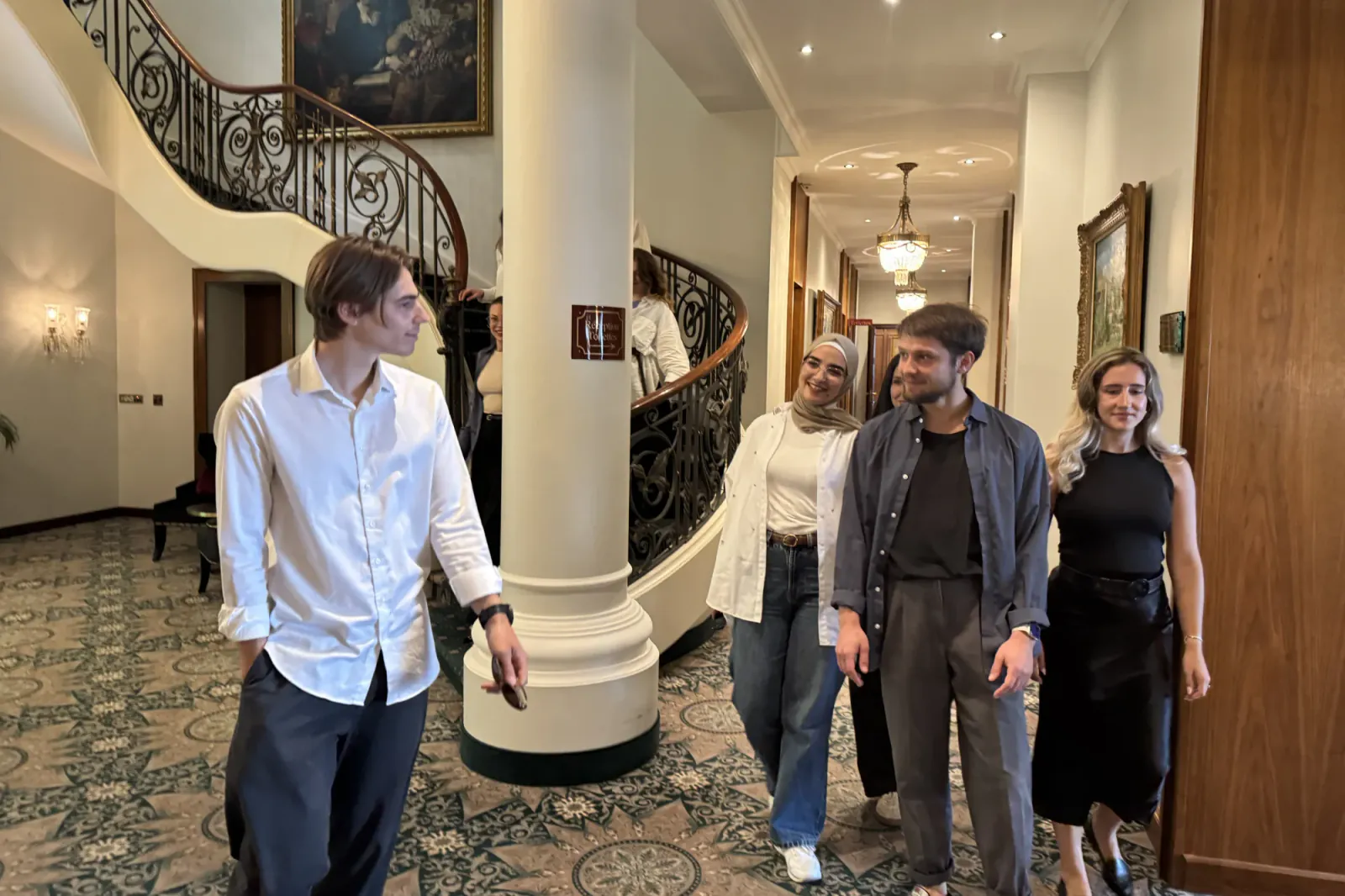
At HBS, top-tier internationally diverse classmates come together, share professional experiences and form synergistic groups where mutual commitment and joint accountability lead to highly effective teams.
Beyond the depth and breadth of knowledge gained in the classroom, the lifelong connections developed while attending HBS will be of immeasurable value. To this end, we require and actively support internship placement, on-site company visits and executive mentoring.
With our vast network of contacts at nearby, world-renowned corporate headquarters, students are sure to find opportunities tailored to meet their specific needs. Whether the aspiration is to manage a leading company, have your own business or work for a family-run business, HBS provides the tools to follow the desired career path.
Our faculty-student ratio is roughly 1:7, and the small class size of approximately 20 students per class provides students with optimum personal interaction.
Learning model
Each course includes theory and hard and soft skill development through experiential learning, such as:
Applied business simulations that put theory into practice.
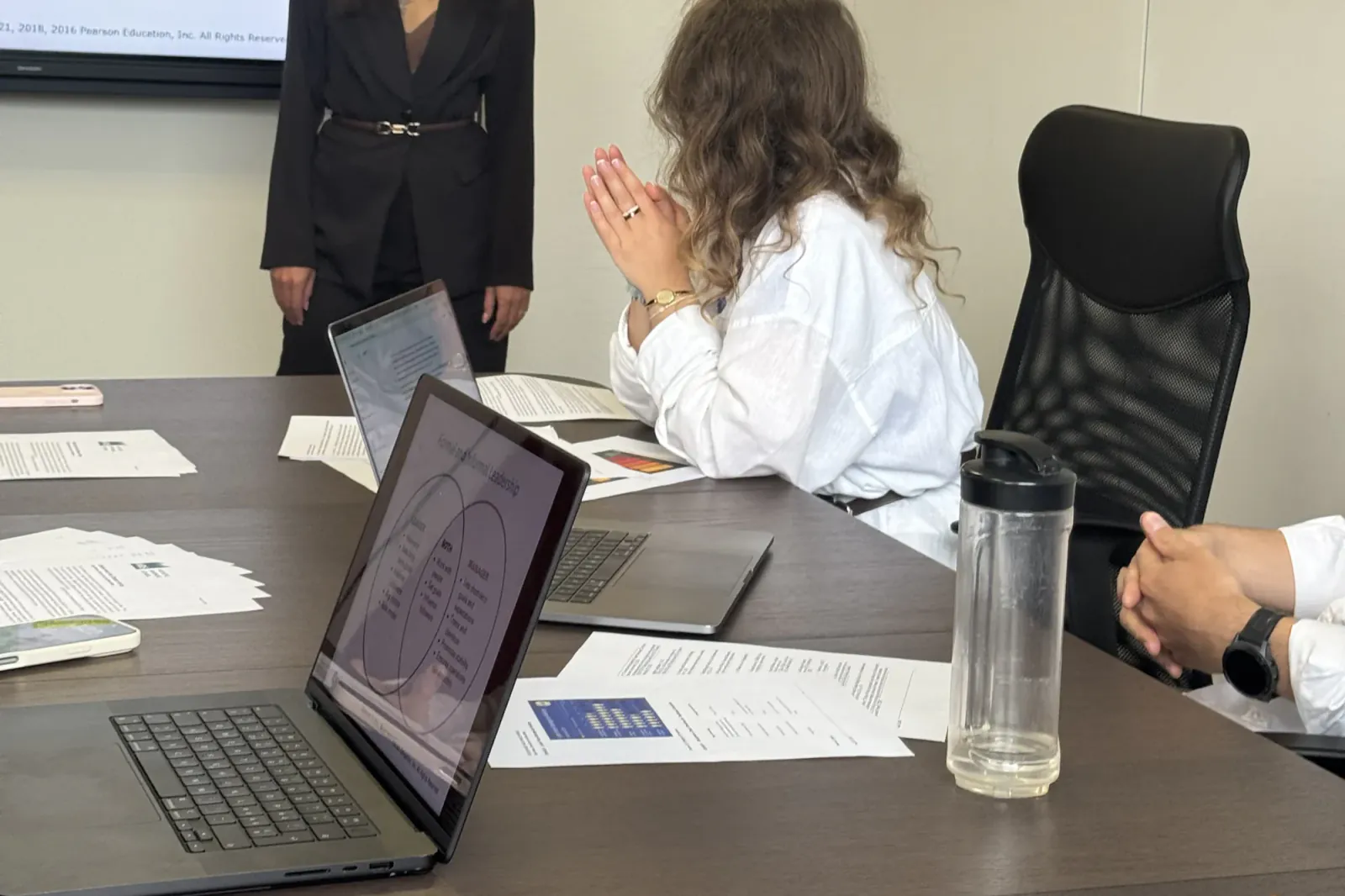
Individual and group presentations that build articulated communication.
Case-based analysis of real companies, industries and decisions.
Individual and group projects including business plans, research projects, marketing plans and program management plans.
Developing a case study, building an onboarding plan, and other practical outputs.
Continuous feedback and coaching from faculty who are seasoned practitioners.
Key Learning Outcomes
Demonstrate a critical understanding of the major concepts and theories in the functional areas of general management, such as accounting, economics, finance and marketing.
Cultivate crucial learning skills that will aid in seeking further studies in a preferred topic in an independent manner.
Possess a high degree of articulated speech and be capable of working effectively in a team.
Apply acquired knowledge, as well as use abstract reasoning, to solve complex business and corporate problems.
Use technological tools to analyse and interpret company or industry data to derive insights and assist in the decision-making process.
 10 pathways
Dual degree with ISM in Germany
Earn two master’s degrees: a Master in Business Administration from HBS, and a choice of ten degrees from ISM in Germany.
Year 1 is spent at HBS in Switzerland covering core master’s courses in business, strategy and leadership, plus business consulting projects and case studies and an internship.
Year 2 transfers to ISM in Germany for advanced courses and company projects. The final half-year is spent at ISM writing and defending your Master’s thesis.
Why HBS
Hands-on experience via internships and through close links to the industry.
A holistic approach that encompasses ethics, law, sustainability and entrepreneurship.
Developing creativity, communication and team building.
Professors who work within their field of specialisation provide guidance throughout and assist students in embarking on their tailored career path.
Location
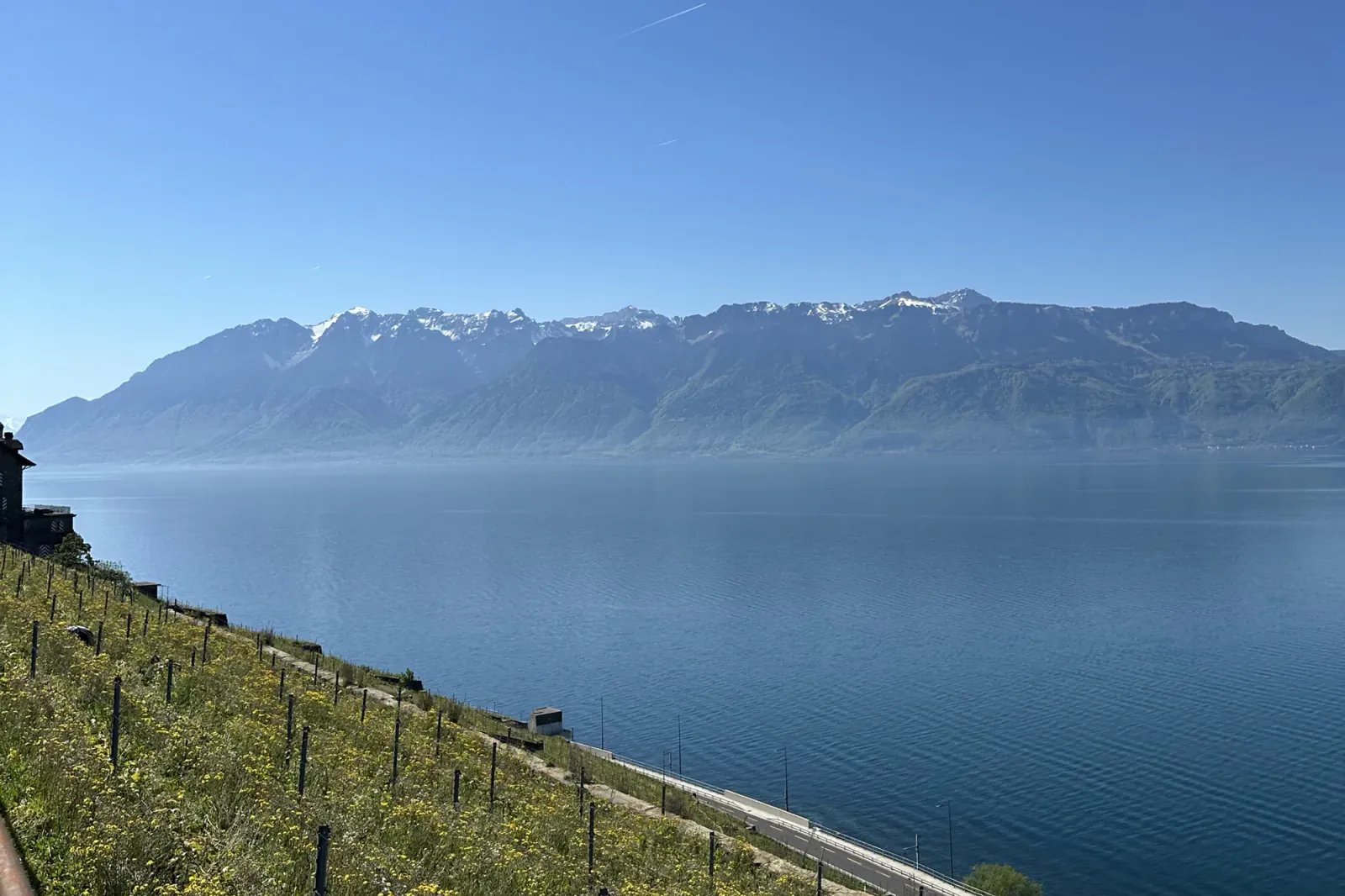
Nestled in the French-speaking region of Switzerland, HBS is surrounded by a significant number of banks and multinational companies’ headquarters.
Geneva has one of the highest concentrations of banks, UN agencies, international organisations and financial institutions in the world, and we are at the doorstep of “Crypto Valley”, one of the largest regions for blockchain technology.
All of the above provides our students with unparalleled access to a network of leaders, researchers, internships and job opportunities, creating a foundation for successful careers.
Program facts
Program structure
There are 12 weeks of study per term, plus two weeks of examinations. Examination periods usually occur in the middle and at the end of each term.
Holiday periods vary, but there is usually a four-week break in December, a break in Spring, and a longer break in July/August. Please refer to the Academic Calendar for details.
The Helvetic Business School operates on a term system with three academic terms per year. The academic year begins in September and ends in July. Fall Term runs September to December, Winter Term January to March, and Spring Term April to July.
A typical duration of study takes two years to complete. Each year consists of 3 terms. Students are expected to complete 60 ECTS (45 CH) credits per year. This amounts to six courses per term in order to complete their degree in two years.
The provision of specialisation modules in a particular term will depend on student requests and faculty availability; the listing of specialisation modules offered may change from year to year. All modules are normally for three credits in one term.
Graduate Degree Requirements
The conferring of an MBA degree from HBS follows only after completing the following requirements: academic credit requirements, academic performance requirements (cumulative GPA of 3.0), and attendance and residency requirements.
In addition, all outstanding accounts must be settled with the administration before graduation. Total CH to graduate is 90 CH and total ECTS to graduate is 120 ECTS.
MBA Courses
| Category | Courses | CH | ECTS |
|---|---|---|---|
| Core | 18 | 54 | 72 |
| Elective | 9 | 18 | 24 |
| Business Plan Capstone Internship | 1 | 9 | 12 |
| Internship | 1 | 9 | 12 |
Curriculum
Tuition and Fees
What is covered
Course materials, facilities, and field trips and industrial visits.
Accommodation (CHF 750+ per month), books and e-books (CHF 100 per term), health insurance (CHF 1’300 per year), social activities (CHF 200 per term) and transportation (CHF 60+ per month).
Fees and Financial Policy
Upon notification of acceptance, HBS will provide prospective students with an official Acceptance Letter, which is necessary in many countries for student visa requests as well as for military deferral. Prior to starting the visa application procedure, fifty percent (50%) of tuition and fees is payable, and tuition and fees must be paid in full at the time of admission.
The deposit will be credited toward the student’s tuition, or refunded if official notification of withdrawal is received thirty (30) days before enrollment. The balance of tuition and student fees is due by Admission Day at the beginning of each term.
Payments can be made by direct bank transfer. Please be sure the student’s name is included on the bank transfer notice. Non-payment will result in the student not being accepted in class.
Continue
M.Sc. International Management from ISM in Germany, combined with the HBS MBA.
Discover program
M.A. Strategic Marketing Management from ISM in Germany, combined with the HBS MBA.
Discover program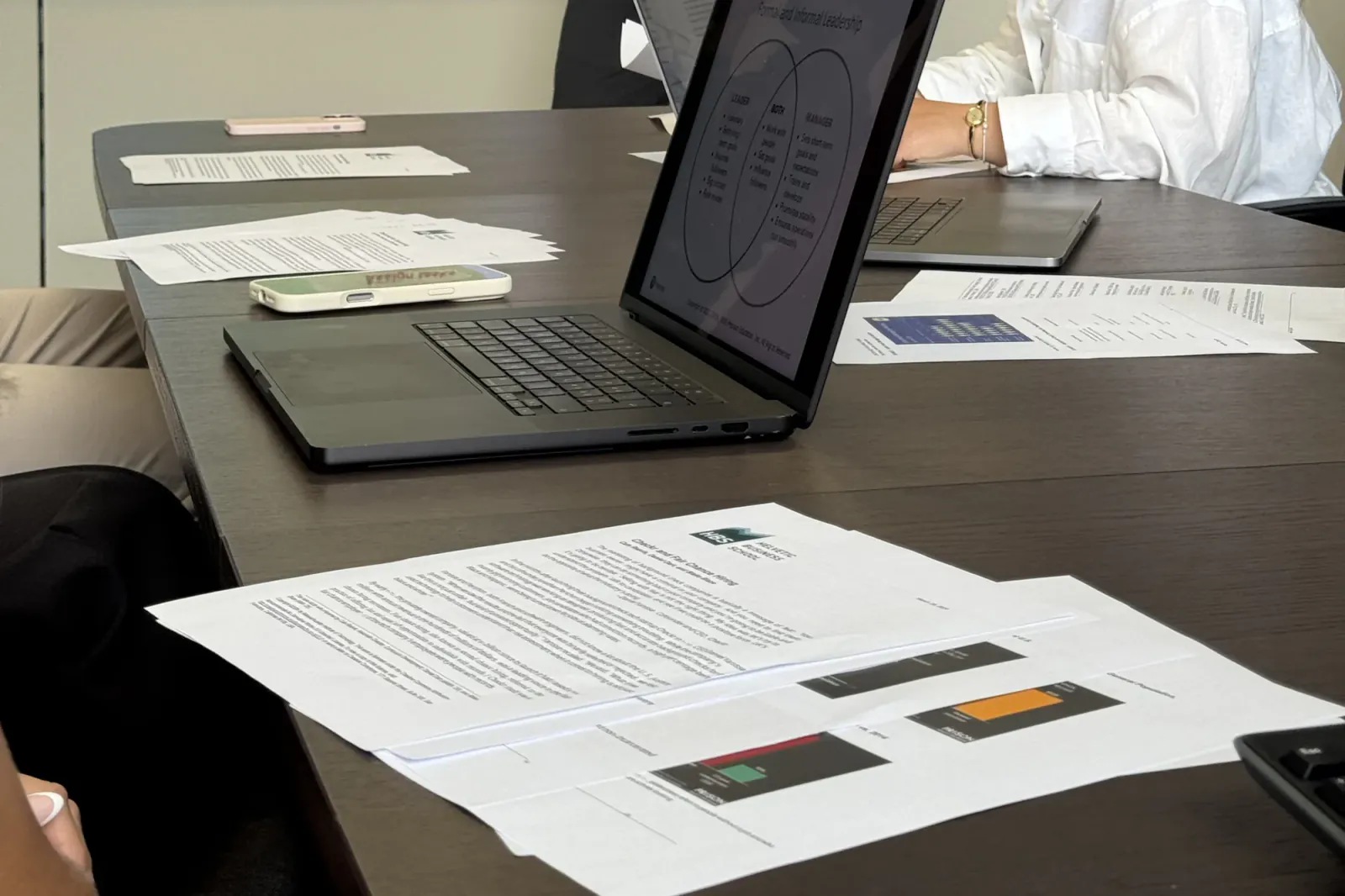
Contact
Our admissions team guides applicants through the application, interview, offer, enrollment and visa steps.
Ready to apply